
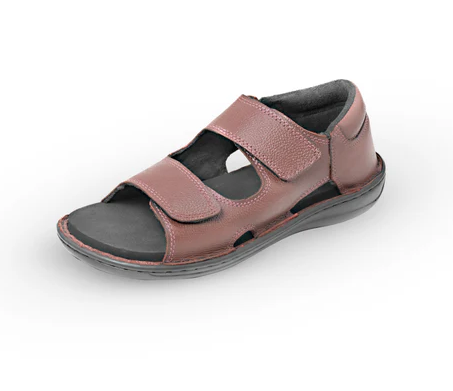
Adjustable Medical Sandals: Helpful When Feet Swell or Shoes Feel Too Tight
What it is
Adjustable sandals can help when swelling changes through the day or when a closed shoe is difficult to put on.
Why it matters
A sandal still needs enough sole structure and should not expose a high-risk diabetic foot to unnecessary injury. For people with diabetes, reduced sensation or circulation can make small fit problems more serious, so footwear should be checked before redness, callus, or rubbing becomes a bigger issue.
How Flexi Feet helps
Flexi Feet helps decide when adjustable footwear is suitable and when diabetic shoes or custom orthopaedic footwear are safer. Our role is footwear, insole, sock, scanning, fitting, and follow-up support. We do not replace medical diagnosis or urgent care, and we encourage customers with wounds, infection signs, sudden swelling, or severe pain to see a qualified healthcare professional.
What to bring to a fitting
- The shoes you wear most often
- Any current insoles, socks, or braces
- Photos or notes showing where redness, callus, pain, or rubbing appears
- Relevant medical advice from your doctor, podiatrist, or wound-care team
Why this matters in Malaysia
Local customers often compare custom orthotic providers, shoe shops, online inserts, and comfort footwear. The important difference is not the label on the product; it is whether the assessment connects foot condition, pressure, shoe depth, materials, and follow-up. Flexi Feet builds the recommendation around the user's actual foot and daily walking needs.